

When chosen wisely and treated properly, houseplants can survive and thrive in almost any office or home environment. It is well worth the investment of your time and attention to ensure that your houseplants receive proper care.
But whether due to ignorance, neglect or abuse, houseplants and office plants have many enemies.
Thanks to our 22 years of experience, Any Green knows better than anyone else the most common problems for plants, and how to solve and avoid them.
In what follows, we provide a brief overview of the “10 enemies of your houseplants.” This way you can recognize and avoid them in time. Your plants will thank you for it!
1. Not enough light
Not all homes and offices offer much natural light. Plants need light. They cannot grow in the dark, although there are some plants that only need a minimal amount of light.
Grow lights can help, but they use electricity and create heat. But if you really insist on putting your favorite plant in a place where it does not get the amount of light it needs, you will see it slowly but surely die. You may then be better off with a high-quality artificial plant.
2. Sunburn from too many UV rays
The same advice applies at the other extreme. Plants can suffer from their own version of sunburn, especially when a plant that loves shade is moved to a much sunnier spot. This then causes particular problems when the weather gets warmer. UV rays coming through a window without protection can really damage plants. As the seasons change, it is a good idea to check if you need to move your houseplants to more protected areas.
3. Over-watering and over-fertilization
Many people love their plants too much. If a little water and plant food is good, they often think the more, the better, right? Well, you can literally drown a plant from too much water. Soaked roots suffocate and rot. And standing water can start to smell pretty bad. Too much fertilizer, in turn, can poison your plants.
By doing a little reference work, you can quickly determine what your plants need to feed them. A lot of plants need very little water. Don’t water them when the soil is still moist. A helpful tool here is one of the many tools on the market to measure the amount of water in the soil.
4. Pests
Like outdoor plants, houseplants can face insect infestations. The important difference is that outdoor plants grow stronger and are better able to repel an infestation. Plants grown in planters in homes and offices often suffer from minor stressors. This makes them more susceptible to pests.
You should watch for omens and treat pests in time. Besides mosquitoes, you best watch out for mites, aphids, mealy bugs and the white fly. You can wash or wipe away a lot of pests. Insecticide soap or a mild detergent diluted in water can treat many things. Avoid using chemical insecticides and use them only on advice – and not around children or pets.
5. Fabric
If your plants collect a heavy layer of dust, it will block sunlight. This makes it harder for the photosynthesis process to start. Photosynthesis allows plants to generate energy to live and grow. So be sure to wipe or clean the leaves of your houseplants regularly.
6. Creative pruning
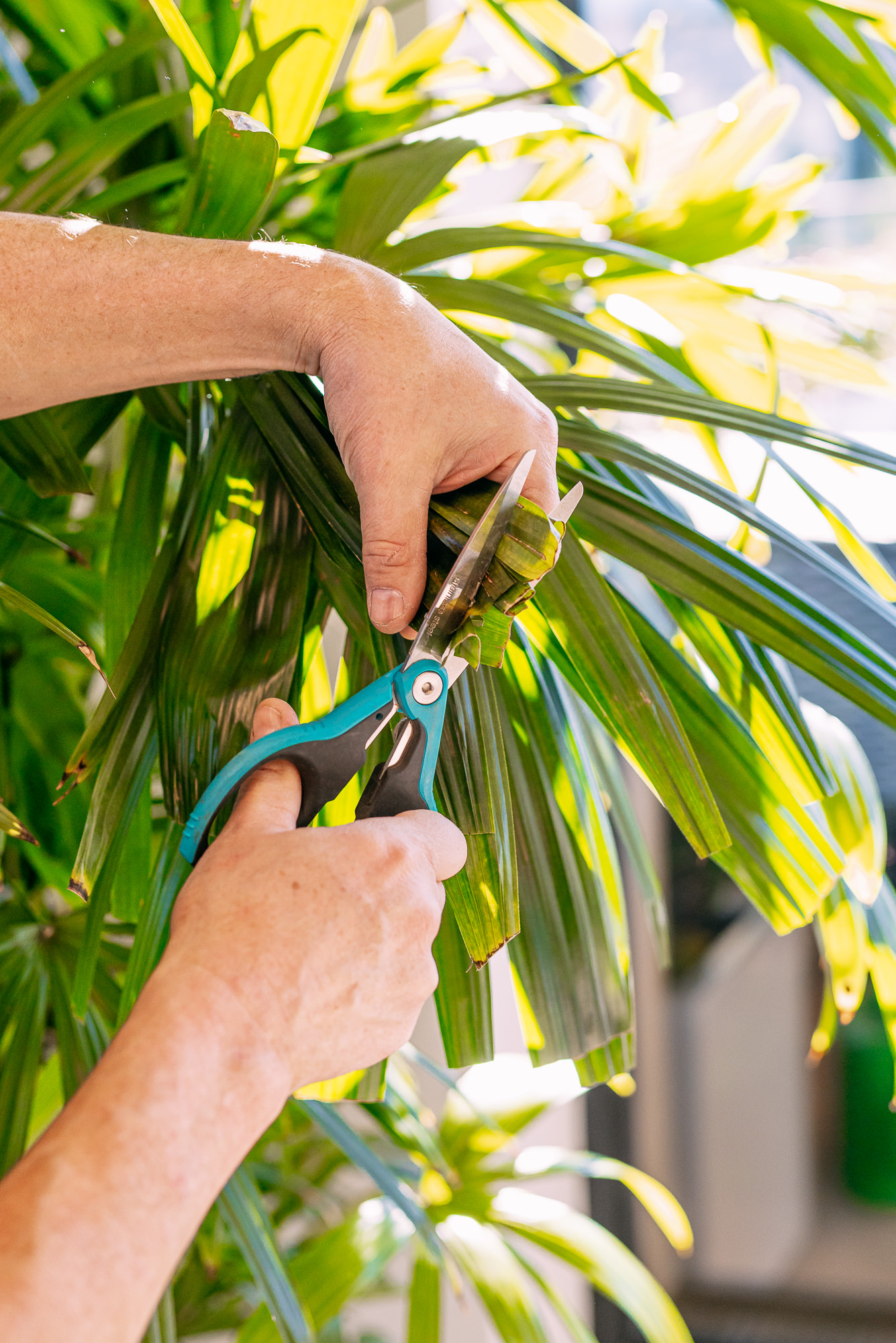
There are several good reasons to prune houseplants, such as removing dead leaves, trimming to keep a plant from getting too big, or trimming for balanced growth. But if you prune too much, you may damage or even kill the plant. In addition to removing dead leaves, it is best to trim only the beginning of the growing season (March/April). Also, never trim more than 25% of the plant.
7. The wrong bottom
Land is land, right? Unfortunately, nothing could be further from the truth! When you take soil from your garden for indoor planting, you can thus bring diseases and pests from outside and spread them indoors. Better choose a commercial potting soil or potting soil specifically for indoor plants. This type of potting soil contains clean compost, peat or fertilizers that provide nutrients to your houseplants.
8. Air conditioning
Heating and air conditioning systems keep us comfortable. However, if you place plants where they will regularly receive hot or cold air from your HVAC system, they are going to suffer. Find a moreprotected spot away from drafts.
9. Large temperature differences
Temperature differences can be a major problem in office environments. Think of a building with a comfortable temperature for people during weekdays, but cooling on weekends and holidays.Temperatures in the office can thus reach high and low extremes.
Strong fluctuations in temperature will cause plants to switch to survival mode. They stop growing and may even die.
10. Misuse of plants
A lot of plants in office environments face abuse. For example, they are sometimes seen as surrogate garbage receptacles for soda, the surplus from a water bottle or even coffee grounds. Employees overload office plants with decorations during the holidays or allow their office plants to become covered in a thick layer of dust.
Plants in public places such as lobbies, shopping malls and other spaces sometimes suffer even harder. Chewing gum, cigarette butts, syringes, handkerchiefs, various bodily fluids and even feces…. These are things we’ve all found in planters.
Obviously, all of these things are not good for a plant’s health.
The optimal care for your plants
Despite all these threats, houseplants can survive and flourish in almost any home or office. All living things require a minimal amount of care and attention. Check your houseplants regularly and make sure they are in the right growing conditions. Make sure they get the right amount of water and fertilizer and any problems, insects or other diseases are caught and treated immediately before they get worse or spread to other plants.
Do you need help maintaining your plants? Then call on the professionals at Any Green! We provide optimal care for your plants. That way, you can enjoy your plants without any worries. You will earn back this maintenance in the long run anyway, because it is a better investment than buying replacement plants over and over again.


