

Volatile Organic Compounds (VOCs).
There is no unanimity yet on the definition of Volatile Organic Compounds (VOCs). We know they are a group of hydrocarbons that evaporate easily. But one thing is certain: the concentration in the air is large, far too large. Not that all VOCs are harmful, but most VOCs that have a human origin are. These include paint, fossil fuels, benzene and various other compounds. There is also still much uncertainty about the role of natural VOCs in human health effects.
Impact on health
However, several products containing Volatile Organic Compounds are linked to an increased risk of cancers or other diseases. For example, you find benzene in tobacco smoke, formaldehyde in paints and building materials, and you also find VOCs in solvents. Compounds containing VOCs are also often harmful to soil and drinking water supplies. VOCs are therefore already highly regulated by the government, yet the concentration remains very high. Not everything is yet known about the exact link to certain diseases either. Certain substances have not been regulated for a long time, which is why fundamental research into the link is desperately needed. Allergic reactions, for example, are also associated with increased exposure to VOCs.
Role of plants
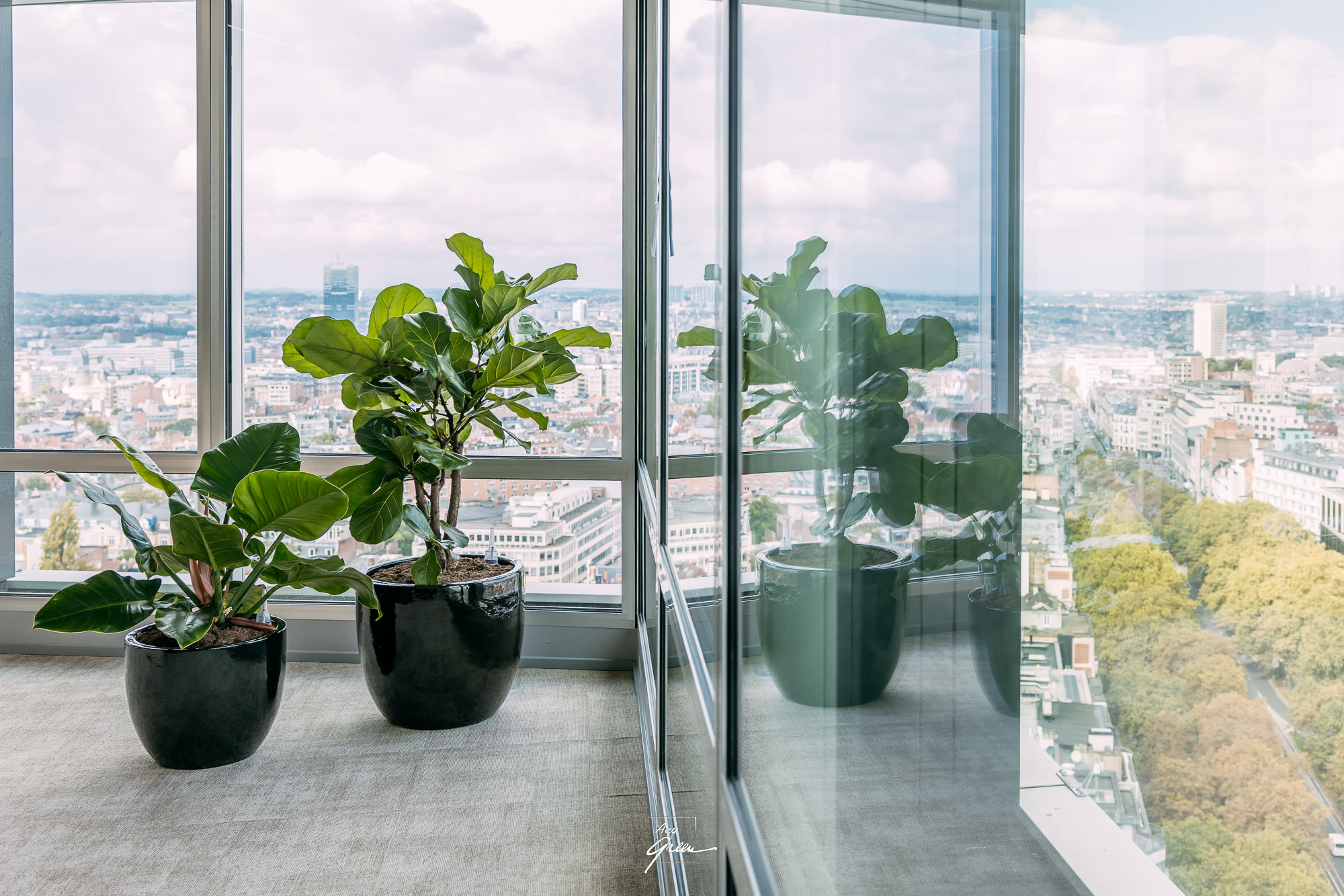
Since it is well established that VOCs have a negative impact on our health, Marius Ballieux wanted to measure the effect of plants on these VOCs. A test was conducted in two classrooms in a Dutch school in Aalsmeer. In classroom 1, 30 plants were placed with accompanying measuring instruments, in classroom 2 just the measuring instruments. And the results were astonishing: in classroom 1, the concentration of VOCs was reduced by half. This made it possible to establish a link between plants and a decrease in allergic reactions and better indoor climate. On top of this came the already known benefits of plants through increased oxygen concentration, less stress, better concentration, sound absorption and so on.
Plea for “plant architecture”
Marius Ballieux and his firm advocate a new way of thinking. For example, when designing a building, the use of plants should be considered in advance. Too often it is only after construction that it is determined where plants fit in. Yet the benefits of conducting a thorough study in advance cannot be underestimated. Your employees will feel right at home, and thanks to the better indoor climate, increased oxygen concentration and ideal humidity levels, they will be fitter, more energetic and healthier. You Prevent many health complaints such as fatigue, eye complaints, coughs, allergic reactions and colds.
Have you not yet considered plants for natural regulation of your indoor climate? Don’t wait any longer and take the plunge into a green work environment now. Don’t deny your colleagues or employees the benefits of plants in the office. In the long run, there are only benefits for you too!


